How to avoid RSI, carpal tunnel syndrome, wrist pain etc. when playing guitar extensively (part 1)
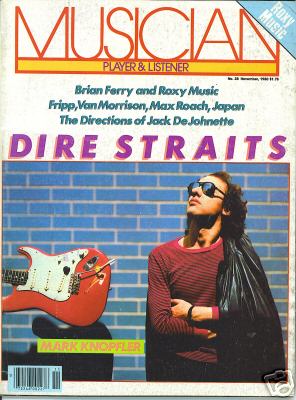
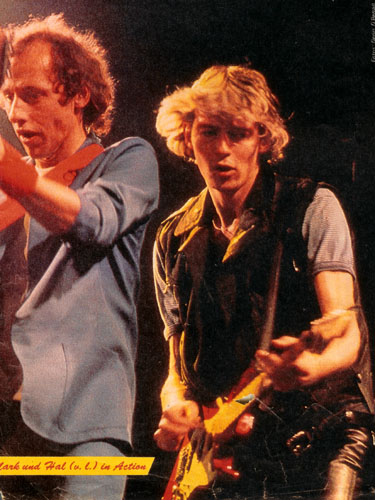
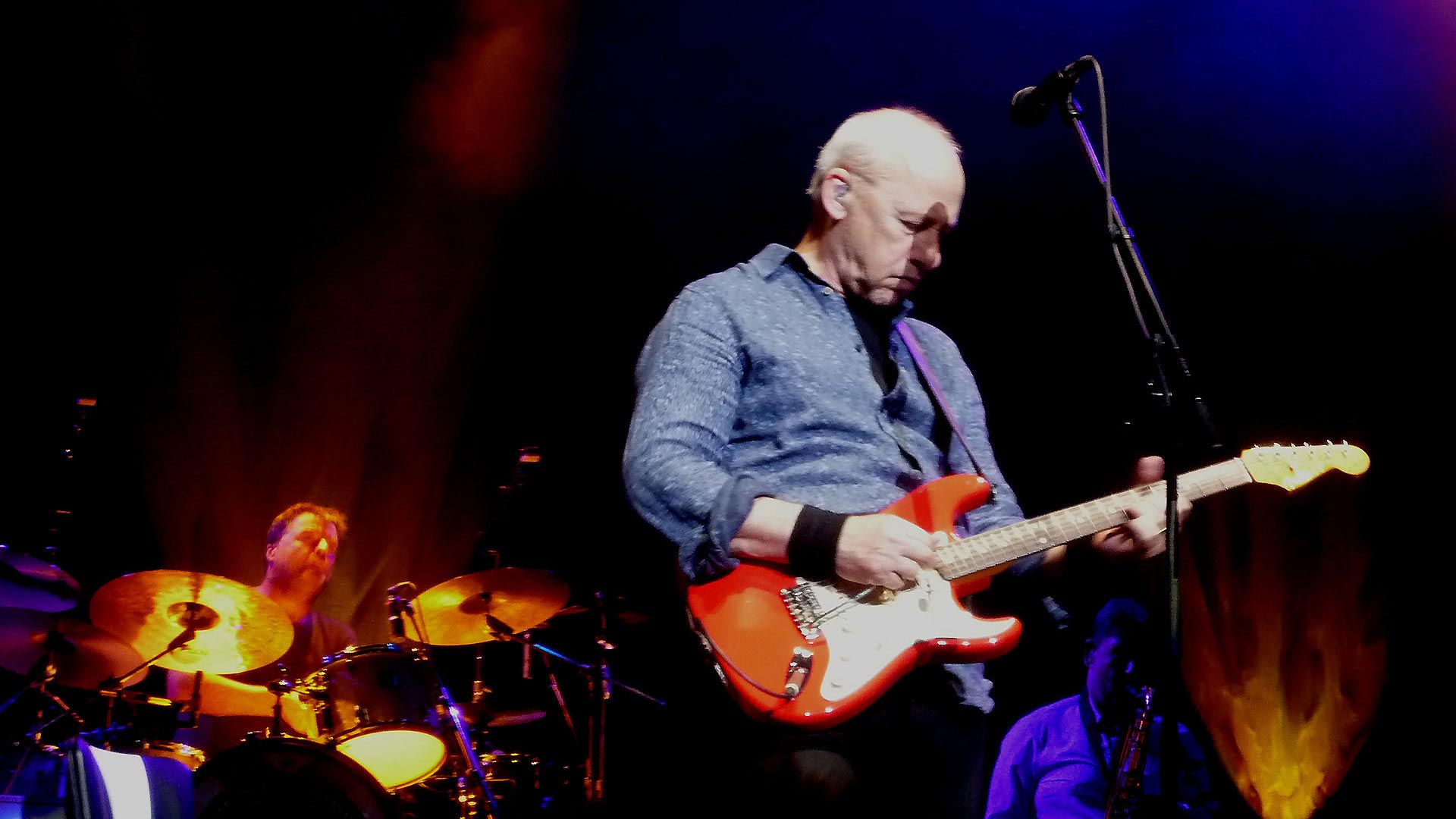
RSI – the nightmare of musicians, even a Mark Knopfler got RSI problems on a tour a few years ago.
RSI is a relatively new expression for a relatively new kind of health problem. RSI stands for ‘repetetive strain injury’, which means “any of a loose group of conditions resulting from overuse of a tool, such as a computer keyboard or musical instrument or other activity that requires repeated movements. It is a syndrome that affects muscles, tendons and nerves in the hands, arms and upper back.” (from Wikipedia)
Repeated movements are nothing really new, I guess a smith did repeated movements quite a lot when hammering on a piece of steel, even hundreds of years ago. I think the reason why a smith can do so without big trouble is that these movements require a lot of strength which comes from groups of rather big muscles. Muscles can be trained, and in a way they like it to work because this is what they were made for.
What however seems new to me are repeated movements that don’t require much force but a rather subtle control of small muscles. A good example might be clicking your computer mouse. Have you ever asked yourself how many clicks you might do when working or playing on the computer for some hours? Clicking once in a few seconds seems realistic to me, so let’s say there are maybe 6 clicks a minute, which means 360 per hour, or maybe about 1,500 when you spend some hours on a late night computer session (and we haven’t even talked about double-clicks yet).
And here exactly is the problem, going 1,500 steps is probably no problem for man, but our body is not designed to move one single finger a few thousand times within a short time.
What exactly happens to our body when overusing single muscles? Since muscles can only do one particular action, which is to contract (they cannot ‘push’, for these opposite movements we have a coresponding antagonist muscle), overuse results in a contracted muscle state, in other words, the muscle does not relax to its full length after the job but remains slightly contracted – or cramped, a bit shorter than it was before. This contraction disturbs the balance of different muscles, and as our body is an ultra-complex system which means everything works together in some way, other parts of the body can become effected as a consequence, e.g. a contracted muscle causes a higher tension on the tendons, and this leads to a higher friction which results in a possible inflammation, and so on.
Nevertheless, there are people who work on the PC or play guitar all day without getting these problems, while others do.
And this is my message: there is hope – it is not an unavoidable problem, even if you decide to do nothing but playing guitar all day long. I am convinced that the real problem is not the repetetive movement itself, but the way we use our body and our mind ( !! ) while doing these movements. More details and what this means exactly will be covered in one (or more) of the next article(s), also what to do for prevention or as a therapy to recover. Stay tuned.