
Rhett Davies and the sound of the first Dire Straits album
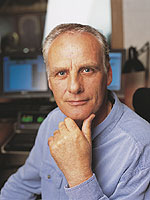
In the blog post about the Sultans of Swing lead guitar track that was made available through the Guitar Hero 5 game we had some interesting discussions about some technical aspects of the guitar sound. One was whether the effects we hear (compression, chorus, reverb) were added later in the mix or were recorded right with the instrument track. Unfortunately there is no direct information available so we will probably never know for sure. However, I recently read some articles or interviews with Rhett Davies – the sound engineer on the first Dire Straits album. He told a few interesting things about recording the Avalon album with Roxy Music in the early 80ies – so from ‘almost’ the same time as the Straits’ debut album (1978). I think some of these things were general preferences and might be true for the Dire Straits album as well.
Here are a few excerpts (from Sound on Sound):
One feature of Rhett Davies’ production style that surprised Bob Clearmountain when they first worked together was his willingness to print effects to tape with instrument recordings. “Generally speaking, and this applies to Avalon, if we were working on a particular sound and that sound had a delay or a reverb, I would print that with the signal. I love delays. We used the Roland Chorus Echos a lot, and I still do today, I love them.
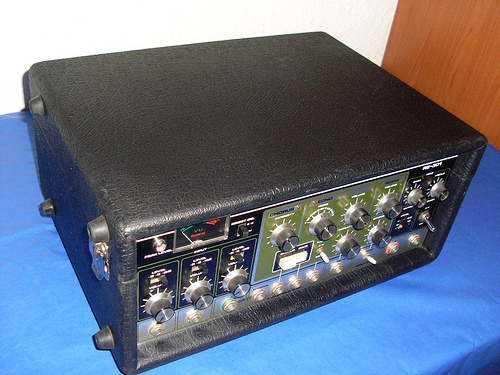
My guess is – if it was not a Roland Jazz Chorus, as some rumour says at least for Sultans of Swing – then it maybe was the Roland Space Echo 301 which was mentioned by Rhett Davies in an article on a Bryan Ferry solo album in 2007, while the famous Roland Dimension D was as it seems introduced later, around 1979. Knopfler also had a 301 in his guitar rack on the Making Movies tour in 1980/81.
continued:
Quarter-note triplet delays are my favourites. [Check out my article about quarter note triplets if you are not familiar with the idea behind them] Anything that creates cross-rhythms is what I was always looking for, so if we were working with a rhythm box, I’d always be experimenting with delays, just to create something more than the plain thing that was there. Obviously it depends on the instrument, but if you’re talking about basic backing-track instruments then you’re trying to create something.
My concept was always that anybody could put the track up and push the faders up and it would sound as it’s supposed to sound. When we mixed Flesh & Blood, Bob couldn’t believe it, because nobody printed delays with the signal. If it was something like the lead vocal, I’d print that to a separate track, but we were still working on 24 tracks, and if it was a guitar and that was part of the sound it got printed. Roxy enjoyed working that way, because there’s nothing worse than thinking ‘It doesn’t sound as good as it did last week, what’s different? I’m sure that’s the same setting.’ This way, it’s always there, and it makes a faster way of working. I could put a track up in a minute and it was ready to do an overdub, so if we had musicians coming in that we wanted to try on two or three songs, it was really fast just to change the tape, and the song was ready to go. I also always used to try to keep an instrumental rough mix on tape as a working mix, so you could just whack up two faders and it was there.
So, maybe the chorus was the 301. The Space Echo 301 was – as the name suggest – mainly an echo – a tape delay to be more concrete, but it also has a chorus effect. I remember that Mark was once asked about the delay in the intro of Down to the Waterline, and his answer was:
“I have no idea what that was. Rhett Davies was the engineer on that record, and he’s in love with Roland Chorus Ensembles, so it might well have been that. I actually use a Roland onstage. ” (from this interview with Guitar Player magazine)
I think if Davies tend to record effects with the instrument onto the track, the rumour of the Dan Armstrong Orange Squeezer as the compressor on this album becomes a bit more likely. Too bad we will maybe never know for sure. I did a Google search for Rhett Davies but to no avail: he does not have a personal homepage or something else which allows us to contact him, at least I have not found anything so far.